

Introduction
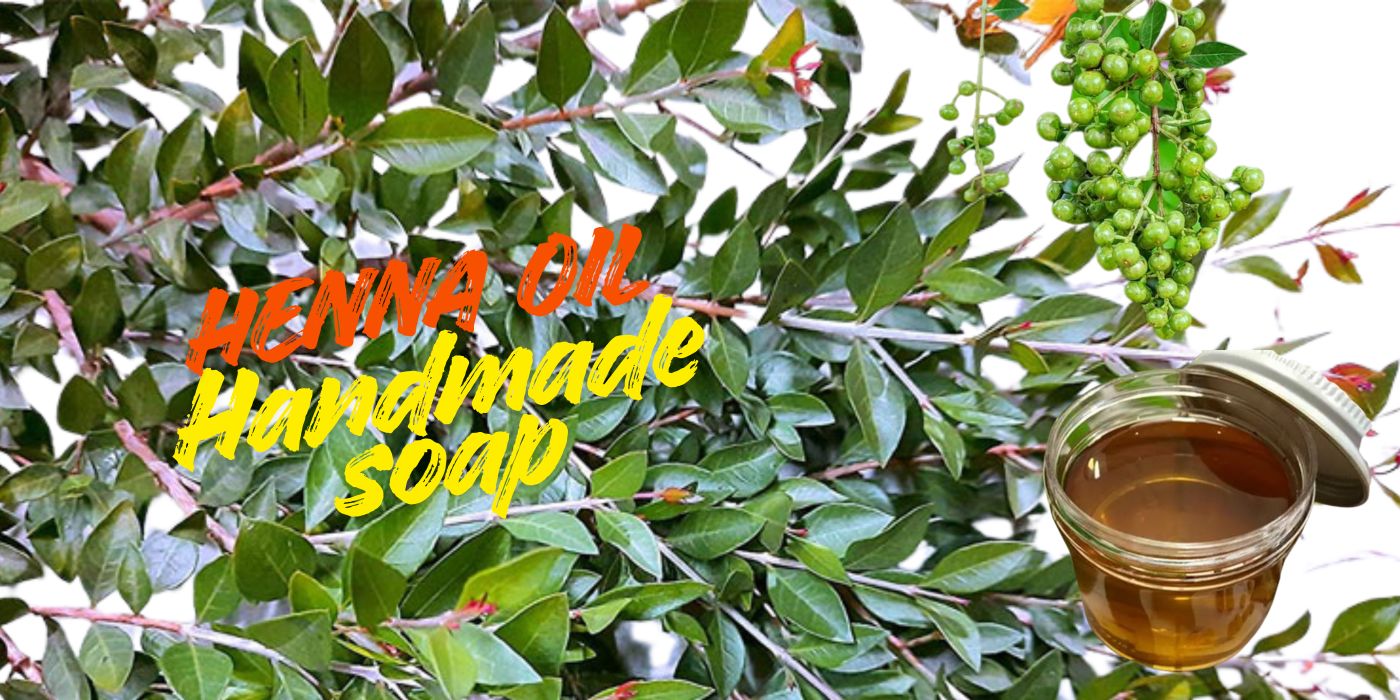
In the world of natural skincare, Henna Oil Handmade Cold Processed Soap stands out as a unique Ayurvedic remedy. Unlike Henna powder soaps, which can feel dry and scrubby, Henna Oil infusion creates a smoother, more reparative bar. As a result, this herbal soap not only nourishes the skin but also delivers deep cooling relief for inflammation, burning sensations, and excess body heat.
What Makes Henna Oil Soap Special?
Cold process soap making preserves the natural properties of Henna Oil. Therefore, every bar retains its cooling, antifungal, and reparative qualities.
- Water (Jala): Provides soothing hydration and acts as a natural coolant.
- Earth (Prithvi): Strengthens the skin barrier, leaving it soft and resilient.
- Air (Vayu): Maintains antifungal and astringent benefits, helping to tighten pores and balance heat.
Moreover, the oil infusion ensures Henna’s essence is captured in a nourishing base, usually Coconut or Sesame oil, making it far more skin‑friendly than powder alternatives.
Ayurvedic Benefits – Perfect for Pitta Dosha
Henna Oil Soap is a Pitta‑pacifying masterpiece.
- Balances Fire: Relieves burning sensations, prickly heat, and excessive sweating.
- Cooling & Reparative: Matches Pitta’s slight oiliness while countering its intense heat.
- Therapeutic Action: Known in Ayurveda as Daha‑Prashamana, meaning “alleviating burning sensations.”
In addition, this soap is safe for Vata skin, thanks to its nourishing oil base, and beneficial for Kapha skin, as it prevents dampness without over‑drying.
Cosmetic & Therapeutic Vibe
Henna Oil Handmade Soap offers more than cleansing. It creates a bar that is:
- Silky & Smooth – glides effortlessly on the skin.
- Deeply Cooling – acts as a natural refrigerant.
- Skin‑Toughening – strengthens and protects against environmental stress.
Therefore, it is both a cosmetic delight and a therapeutic remedy.
Powder vs. Oil – Which Should You Choose?
- Henna Powder Soap (Air/Earth): Best for oily, sweaty Kapha skin. However, it can feel drying and abrasive.
- Henna Oil Soap (Water/Earth): Best for inflamed, sensitive Pitta skin. In contrast, it provides smooth, cooling, reparative care.
Cooling Scale Collection
Henna Oil Soap belongs to a trio of Ayurvedic cooling remedies:
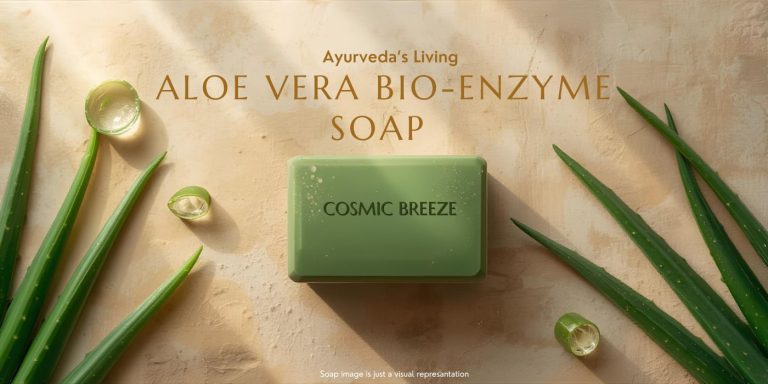
- Aloe Vera Soap – Moisturizing Cool (Water)
- Vetiver Soap – Grounding Cool (Earth/Water)
- Henna Oil Soap – Deep Refrigerant Cool (Water/Earth)
Together, they form a holistic cooling skincare collection for every dosha type.
Conclusion
If you are searching for a natural antifungal soap, Ayurvedic cooling remedy, or Pitta pacifying skincare solution, Henna Oil Handmade Cold Processed Soap is the perfect choice. With its reparative texture, soothing hydration, and therapeutic cooling properties, it transforms daily cleansing into a holistic Ayurvedic ritual.


This blog explained the Ayurvedic properties so well. Henna Oil Soap is now my go‑to for prickly heat relief.
I enjoyed reading this blog. Henna Oil Soap is clearly a Pitta‑pacifying masterpiece with real therapeutic benefits.
Finally, a natural soap that suits Vata skin. Henna Oil Soap keeps my skin hydrated without flakiness.
Henna Oil Soap is gentle yet effective. I appreciate that it’s handmade and cold processed.
This herbal soap is a true Ayurvedic remedy. The cooling effect is noticeable right after use.
I tried Henna Oil Soap during summer, and it worked wonders. My skin feels smooth and refreshed.
Henna Oil Soap is not just cooling but also antifungal. Perfect for Kapha skin issues like dampness.
I love how this soap balances Pitta dosha. It really helps with inflammation and excessive sweating.
Henna Oil Soap feels truly cooling on my skin. I appreciate how the cold process method preserves its Ayurvedic benefits.
I switched from Henna powder soap to Henna Oil Soap, and the difference is amazing. My skin feels nourished and soothed.